University of California, Riverside
While around one million insects have been described by science, the vast majority of an estimated 40 million are yet to be identified. But with populations rapidly declining due to climate change and habitat loss, documenting these tiny lives is a race against the clock. Leading the charge at UCR is Doug Yanega, senior scientist at the Entomology Research Museum and one of the world’s foremost insect experts. With his rare ability to identify unknown species, Yanega is working to transform the museum’s four-million-specimen “library” into a definitive record of the natural world.
“Show me an insect that’s never been seen by another human being before, and I can tell you what it is.”
Coming from most people, those words would be delusional. Coming as they do from Doug Yanega, the senior scientist at UC Riverside’s Entomology Research Museum, they are simply a statement of fact. And, because the ability to identify species is the first step toward understanding, managing, and protecting them, Yanega’s skill has arguably never been more important than it is today.
Insects make up the vast majority of multicellular species on the planet and pollinate about 75% of all crops. They also serve as the main food source for birds, fish, reptiles, and amphibians. In a world without insects, dead things would accumulate indefinitely; termites, beetles, and fly larvae process waste and debris, preventing soil from becoming sterile and ensuring the entire food chain, including humans, continues to function.
However, insects cannot perform these essential services if they don’t exist. Some studies suggest insect populations worldwide have declined by 45% in just the last 40 years, posing huge threats to ecosystems and agriculture.
“Habitat loss is the biggest threat to insect species,” Yanega said, noting we are likely losing insect species much faster than we’re naming them. “The places with the highest diversity of insects are the places being developed the fastest. Climate change is also playing a role, but that’s a slow burn. Habitat destruction is more of a hammer.”
Given that these two main drivers of insect extinction show no signs of slowing, the need to preserve what can be preserved is critical, and it begins with identification. Enter Yanega and the research museum.
Senior Museum Scientist Doug Yanega with cicada and timber fly specimens from the UCR Entomology Research Museum.
With more than four million specimens, the museum houses one of the largest insect collections in North America. It primarily holds terrestrial insects from Southern California, Arizona, and parts of Mexico, though you can also find many insects from other parts of the world, including Thailand, India, Australia, Russia, Honduras, and Brazil. An estimated 30,000 specimens get added to the collection every year.
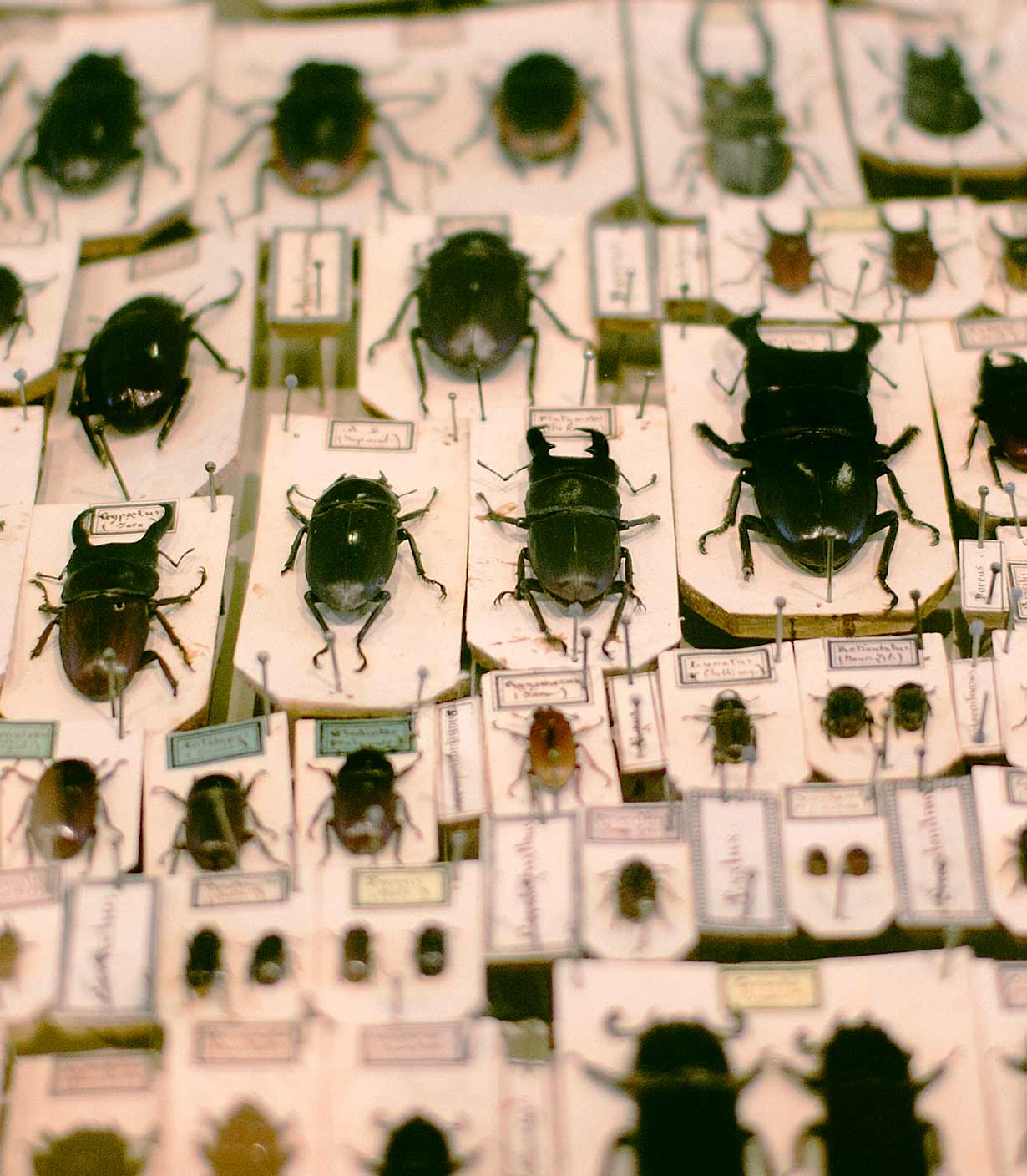
In keeping with its mission, the museum’s primary purpose is research and preservation, meaning you won’t find rooms of glass cases filled with insects on public display. Rather, its many specimens are stored in specialized trays stacked inside rows of sliding cabinets. And, while the collection is massive, the museum itself operates with a remarkably small staff.
Along with a rotation of one or two student workers and one regular volunteer, Yanega, who has served as senior museum scientist since 1999, is the only full-time staff member. He is joined part time by museum director S. V. Triapitsyn, who is a specialist in parasitic wasps. Together, they maintain the collection while supporting a global network of researchers studying biodiversity, agriculture, ecology, and evolution. Part of the Department of Entomology in UCR’s College of Natural and Agricultural Sciences, the museum is also a critical resource for public health, forensics, agriculture, and the pest control industry, as well as students and the community.
Learn fascinating facts about fireflies and other insects with expert Doug Yanega in the video series “Bugs with Doug.”
To Yanega, the museum functions like a library, and every “book” is unique. A traditional library might hold a few identical copies of the same title, but in an insect collection, even specimens that appear identical hold subtle biological differences that reveal how species are evolving, interacting with their environments, or starting to diverge from their closest relatives.
“If they were books, every copy would have typos,” Yanega said.
It is those “typos” that help scientists determine where one species ends and another begins, or how insects are adapting to changing environments. For example, two species of native California mining bees may look the same to the naked eye but contain microscopic differences in their pollen-collecting hairs, tiny variations that reveal them to be separate species that rely on a different set of native plants.
Each of the museum’s specimens are individually and meticulously pinned, mounted on slides, or preserved in ethanol, and some of the holdings are older than the university itself, dating back to when the campus site hosted only the University of California Citrus Experiment Station. But before the collection got its own space, it wasn’t particularly well maintained.
“It used to just sit in small cabinets with drawers in the hallways,” Yanega said. “That is, naturally, a terrible way to preserve a collection.”
The first specimens were transferred from the California State Insectary in Sacramento when pioneering entomologist Harry Smith joined the Citrus Experiment Station faculty in 1923. At that time, researchers at the station studied pests threatening California’s rapidly expanding citrus industry. They also looked for the natural enemies of these pests as a means to control their populations, a practice known as biological control first coined by Smith in 1919. Identifying insects was essential to that work, and to do it they needed a reference collection.
Trays with pinned specimens of plant hoppers, South American palm weevils, and orchid bees from the Entomology Research Museum’s collection.
Over the decades, the museum grew with collections from renowned scientists, including Phillip H. Timberlake, a prolific 20th-century entomologist who joined the station in 1924, and UCR professor Lauren D. Anderson, whose assortment of immature insects was added in 1948. The G.P. McKenzie collection of North American Coleoptera (beetles) was later purchased in 1965. On March 30, 1994, a new building for the collection was dedicated and given the official name of the Entomology Research Museum.
Despite the loss of some holdings to carpet beetles and other hazards, most of the material collected over the last century remains preserved today. But even with the millions of specimens now catalogued, the museum is far from complete. In fact, given the collection’s ever-increasing size and the small staff that manage it, Yanega does not think it is humanly possible to formally identify all they have preserved.
“We will never know exactly how many species we have in this collection,” he said.
A significant portion of the specimens were archived decades ago by researchers who lacked the time or expertise to fully identify them. Many were also still unknown to science when they were first collected.
For Yanega, identifying those mysteries is less like searching a database and more like solving a puzzle. By comparing the minute physical details of an unknown specimen against existing collection data, he can often trace its lineage down to a specific genus or family.
“I know what the described species are,” he said. “Given where and when something was collected, I can usually figure out what it’s related to.”
Most entomologists specialize in a single family or order that includes well-known insects, like beetles, flies, or butterflies. But because his range is nearly limitless, Yanega likens his skills to those of an Olympic decathlete.
“In any single group of insects — like true bugs, which includes cicadas and aphids, or lepidoptera, which includes butterflies — there’s usually someone with more specific expertise,” he said. “But thanks in part to a photographic memory, I’m better across a wide range of groups than most people.”
Yanega didn’t originally set out to become one of the country’s most versatile insect identifiers. As a graduate student at Cornell University, he planned to study the behavior of bees and wasps. This focus came from a remarkably ordinary place: his driveway.
Growing up in New York, Yanega noticed bees nesting in the lawn outside his home and became curious about their behavior. Later, a professor encouraged him to study those bees for his thesis, since no one else had written about the species before. That project paved the way for a career spending countless hours examining specimens, learning to distinguish their subtle anatomical differences until the skill became second nature.
“Habitat loss is the biggest threat to insect species ... Climate change is also playing a role, but that’s a slow burn. Habitat destruction is more of a hammer.”
His versatility helps explain why so many questions about insects eventually find their way to him. During an average week, Yanega identifies at least one species new to science while sorting specimens in the museum. But the discoveries are only one part of the job.
Homeowners and pest control professionals regularly send photos of mystery bugs. Researchers request specimen data or borrow material for their own projects. Students seek his help with research and class assignments. Journal editors ask him to review scientific papers. Media outlets routinely call him for interviews, as they did during a rash of fear over Asian giant “murder” hornet sightings in 2020, or during a major emergence of cicadas on the East Coast in 2021.
He also shares his vast knowledge as co-host of a twice-monthly entomology podcast called “Can I Bug You?” In it, he helps dispel myths and misinformation about insects while dropping eye-popping info about their anatomy, abilities, and life cycles.
In one episode of the podcast, he talks about the people who regularly call his office wanting confirmation that their skin is infested with mystery insects, noting he has received an average of one or two such calls each week for the past 27 years. What these callers are likely experiencing is a psychological condition known as delusory parasitosis, and though he cannot verify those claims or offer a diagnosis, he does try to offer callers his compassion and encourage them to speak with medical professionals.
Yanega pulls trays of insect specimens that are archived in cabinets in the museum.
On top of all this, Yanega routinely supervises students and volunteers at the museum while also conducting his own research.
“The biggest thing people don’t realize is how much of what we do is service,” he said.
That service extends beyond his official role as museum scientist. Yanega also monitors online insect discussions across social media platforms, occasionally stepping in to answer questions or correct misidentifications. The internet, he said, has dramatically expanded public interest in insects, with millions of people now using their phones to snap and share photographs of the creatures they encounter.
But despite today’s powerful search engines and image-recognition tools, the final word on many identifications still comes down to the specimens preserved in museum drawers and the experts uniquely qualified to analyze them. Even AI can only identify things for which there are large numbers of accurately catalogued reference images available online for comparison. That accounts for no more than 1% of all known (and unknown) insects.
By some estimates, Earth hosts as many as 40 million insect species. Yet only one million of them have ever been formally described. Many still unknown to the scientific community are likely tiny creatures living unnoticed in forests and deserts, in backyards, and on peoples’ driveways.
For Yanega, this means the drawers of the museum will never truly be filled. And with vital habitats continuing to disappear and insect populations in rapid decline, the work of documenting life has only grown more urgent.
“There’s always more to do,” he said. 
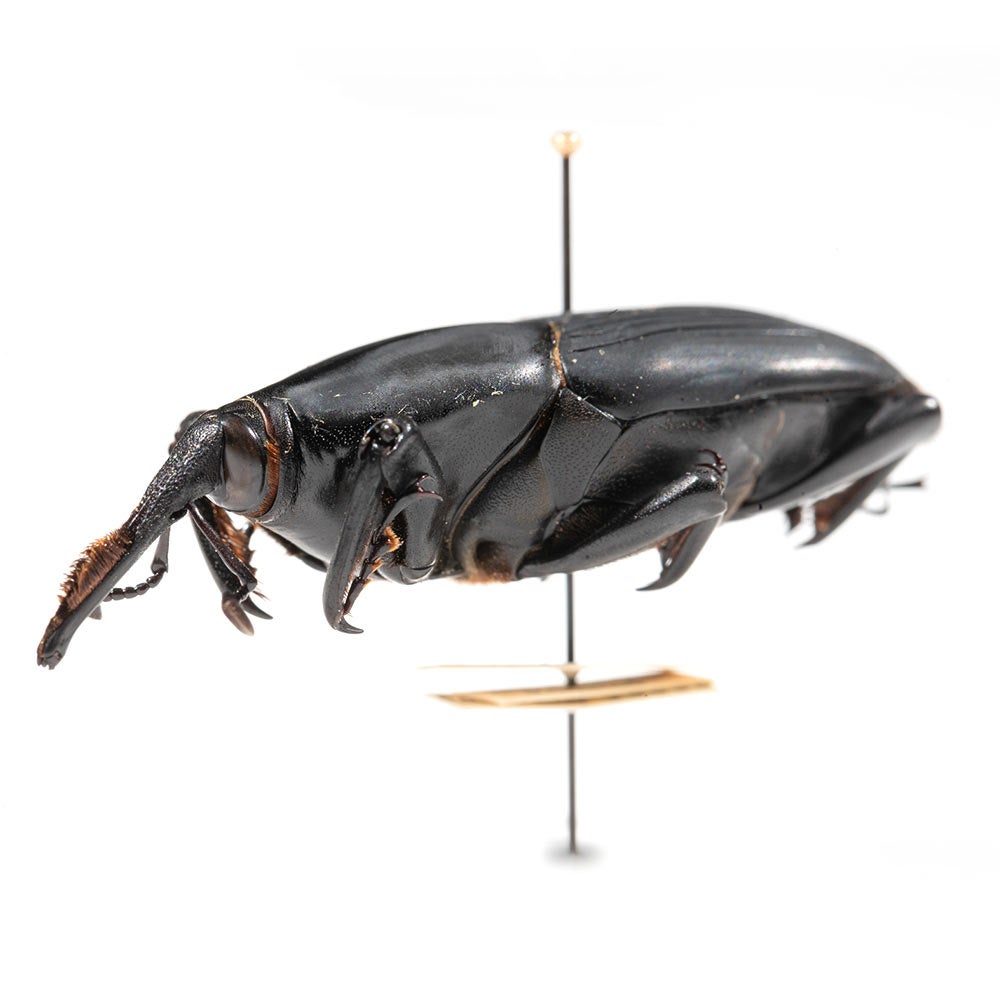
South American Palm Weevil
Rhynchophorus palmarum
Almost a quarter of all animal species on Earth are weevils — an incredibly diverse group ranging from microscopic specks to thumb-sized giants. While many weevils play quiet roles in their native ecosystems, others are notorious agricultural pests, like these South American palm weevils collected by UCR researchers in San Diego County. After hitchhiking to Mexico and spreading into California, these weevils now threaten the Coachella Valley’s $140 million date palm industry. The danger lies in their larvae, which bore deep into the palm tree’s crown, killing it from the top down. Because the larvae are shielded from pesticides, researchers are exploring biological control methods to halt their path of destruction. Among 75,000 weevils in the museum, these particular specimens serve as vital “research vouchers” — physically preserved specimens that are meticulously labeled in case they are needed again for future studies on their taxonomy, genetics, or ecology.
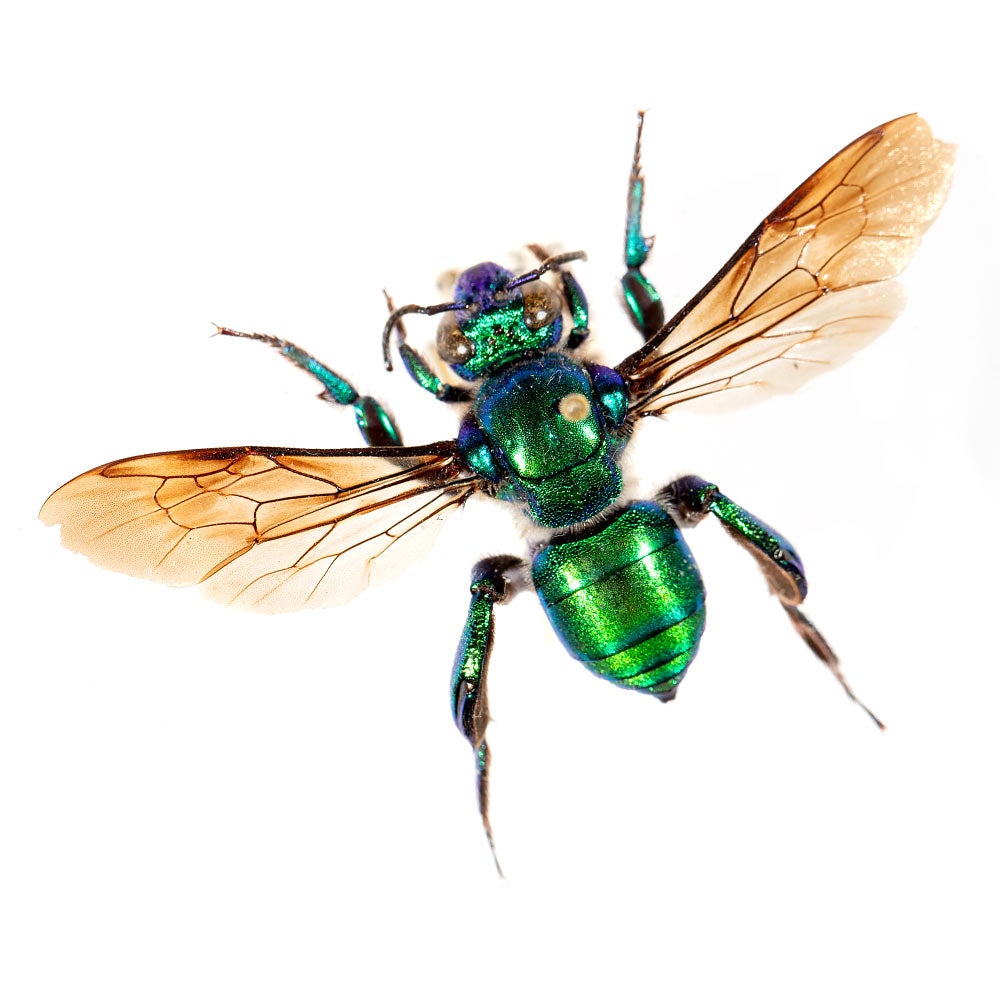
Cuckoo Orchid Bee
Exaerete frontalis
The unlikely secret to collecting Panama’s iridescent orchid bees? Mouthwash. Attracted to fragrances like eucalyptol and menthol, orchid bees are so drawn to the scents that in 1983 Yanega had a swarm follow him through the forest after accidentally soaking his backpack with the fragrant chemicals. In a reversal of typical bee roles, male orchid bees take the lead on pollination, visiting flowers to collect the aromatic chemicals essential to attract a mate. Because orchids hide their pollen in fused structures called pollinia, they can only be pollinated by a male bee of the right size and shape, a “lock and key” system first documented by Charles Darwin. Now these bees and their relatives are a cornerstone of UCR’s collection — the museum holds one of the largest bee repositories in North America. Nearly half a million of the museum’s four million specimens were collected by Phillip H. Timberlake, the uncle of President Richard Nixon and a prolific entomologist who spent his career at the UC Citrus Experiment Station; some 200,000 of his specimens are bees.
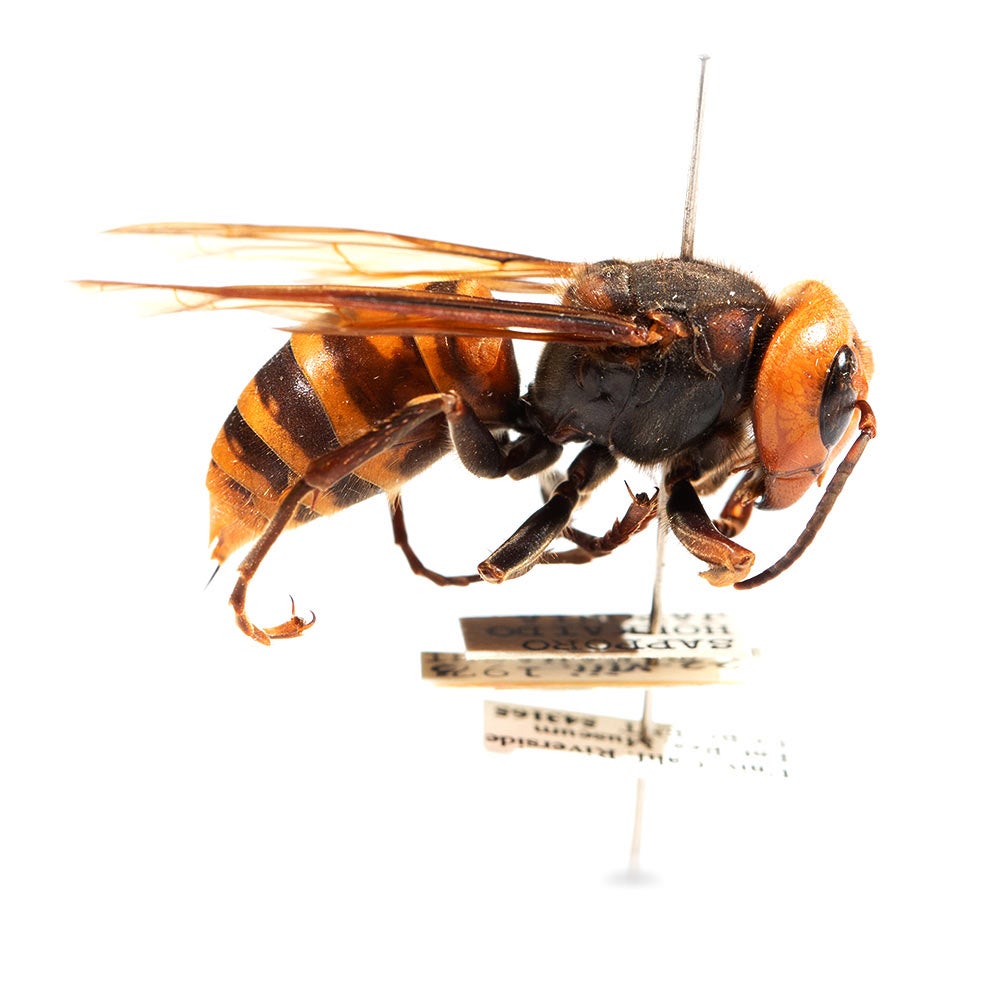
Northern Giant Hornet
Vespa mandarinia
The northern giant hornet became a household name after it was spotted far from its native Southeast Asia in the Vancouver Island area of Canada in 2019. These specimens were plucked from that first colony and sent to Yanega for identification. While the “murder hornet” moniker — a translation of the Japanese atsujin suzumebachi — made for sensational headlines, the actual invasion was short-lived. In their native environment, these hornets thrive by raiding plentiful honeybee colonies to feed their hungry young. However, they failed to gain a foothold in the Pacific Northwest and have since been declared extirpated in the region. While their venom is potent, their primary threat was to our food security. As group hunters, they can decimate entire honeybee hives in a matter of hours, potentially crippling the pollination networks essential to North American agriculture.
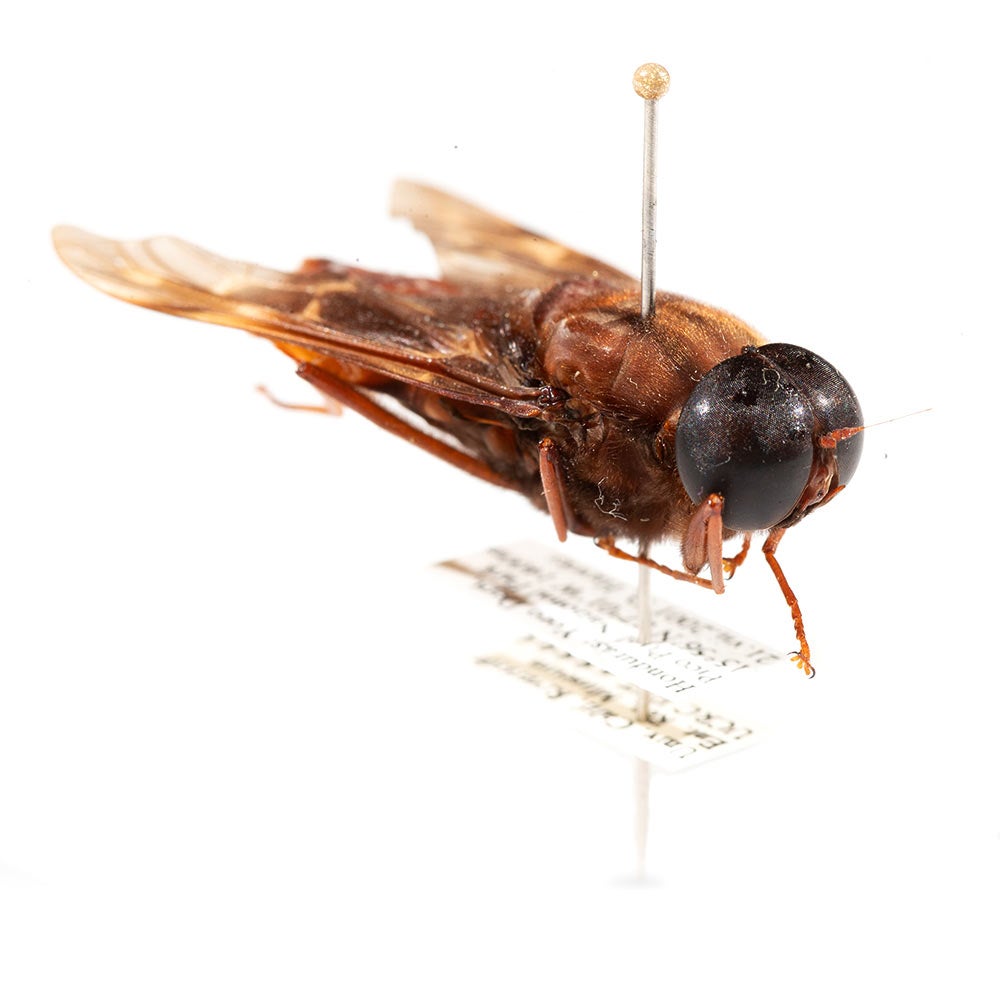
Timber Fly
Pantophthalmus species
Yanega almost gave an arm and a leg for these timber fly specimens. While chasing the elusive flies across a field in Honduras, he tripped in the tangled underbrush, snapping his ankle. Knowing these giants are crepuscular — emerging only for a few minutes at sunset — Yanega’s colleague memorably prioritized the mission over the injury, shouting: “I can’t help you; I’m catching flies!” That sacrifice secured records of one of the world’s largest flies for UCR’s collection. Although located in Southern California, the museum is also a global repository housing millions of specimens from places like New Zealand, Laos, Russia, and Brazil. To make these records accessible, the museum is digitizing, with nearly 650,000 specimens now documented in an online database.
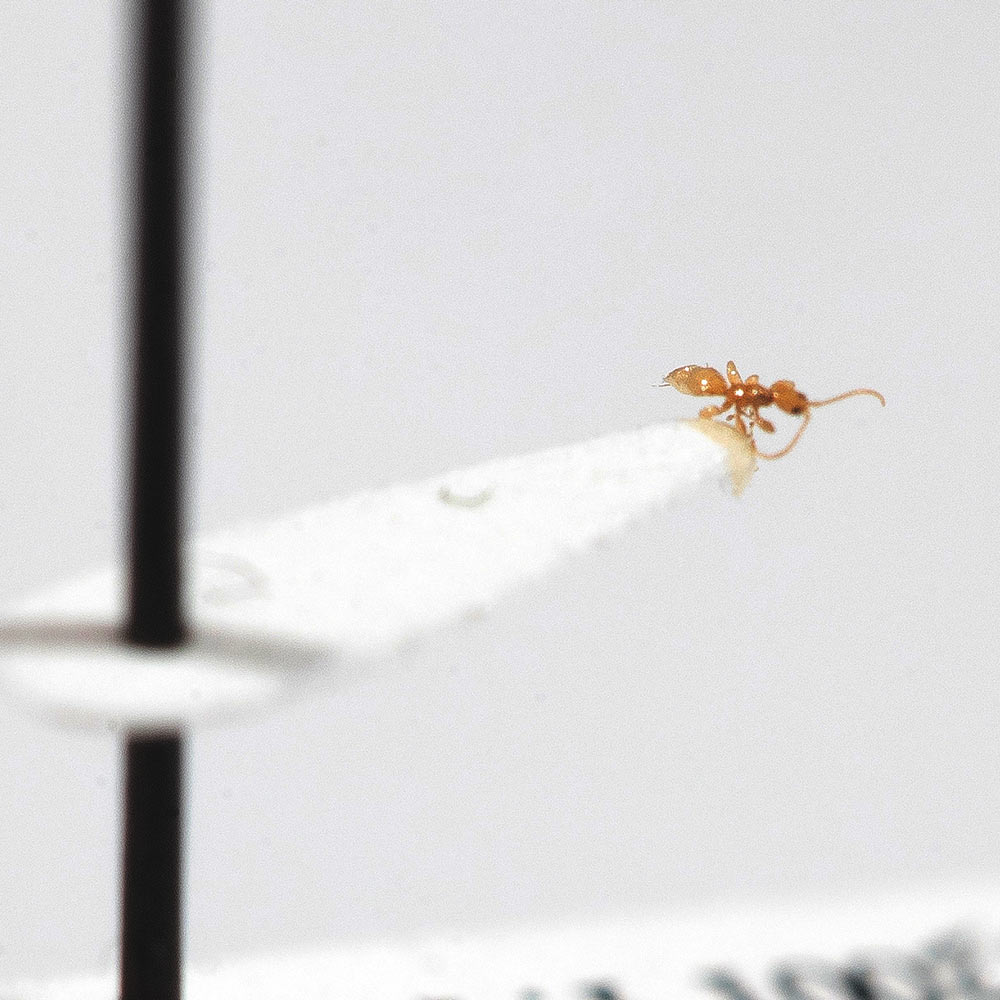
Braconid Wasp
Masona species
Destined for the dumpster, Yanega helped rescue thousands of vials containing insect samples collected at Southern California’s Lake Skinner from the office of entomology department chair Rick Redak, who was clearing out his lab before retirement. It was a good move: one vial contained a new species of microscopic wasp in the genus Masona — tiny wingless insects that apparently live in the gaps between grains of sand. While the discovery of a new mammal, bird, or dinosaur would command global headlines, Yanega helps identify new insect species on a weekly basis (literally!), with none of the media fanfare. It’s a feat that requires a human expert and highlights the limitations of AI, which can recognize well documented insects like honeybees (after being trained on thousands of images) but remains blind to the 99% of insect species that have never been photographed.
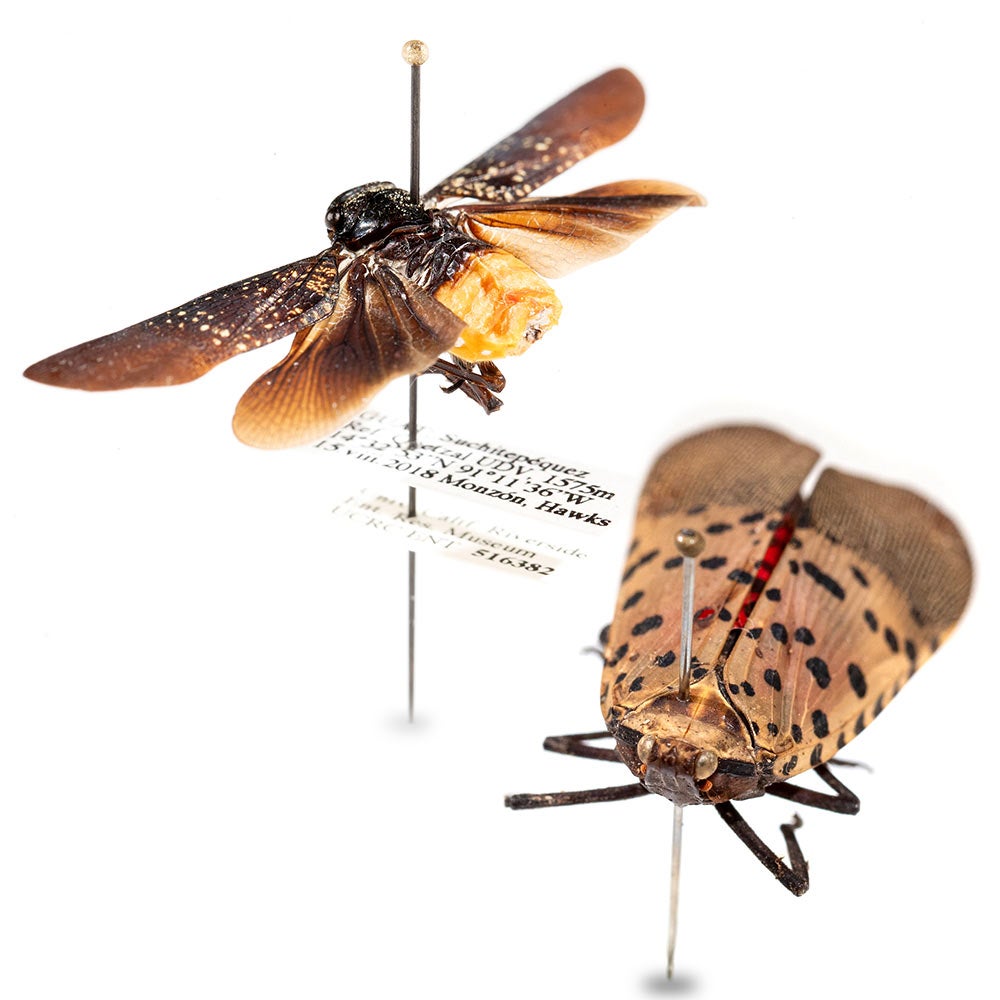
Undescribed Planthopper and Spotted Lanternfly
family Fulgoridae
In 2008, Yanega collected this planthopper (left) in Guatemala — the only specimen of its kind ever found. For years, research into these obscure insects was a low priority until the U.S. arrival of another type of planthopper, the spotted lanternfly (right). This invasive pest (Lycorma delicatula) is currently ravaging crops in the Eastern U.S. and poses an imminent threat to California’s multibillion-dollar wine and fruit industries. Yanega’s work assists in research to stop the California invasion before it takes root. His 17-year effort to classify native planthoppers built a foundation used by UCR scientists to identify their natural enemies — leading to the discovery of a native wasp that successfully attacks spotted lanternfly eggs in lab tests. By identifying and culturing these wasps now, UCR is helping prepare a defense force ready for release without disrupting the native ecosystem.
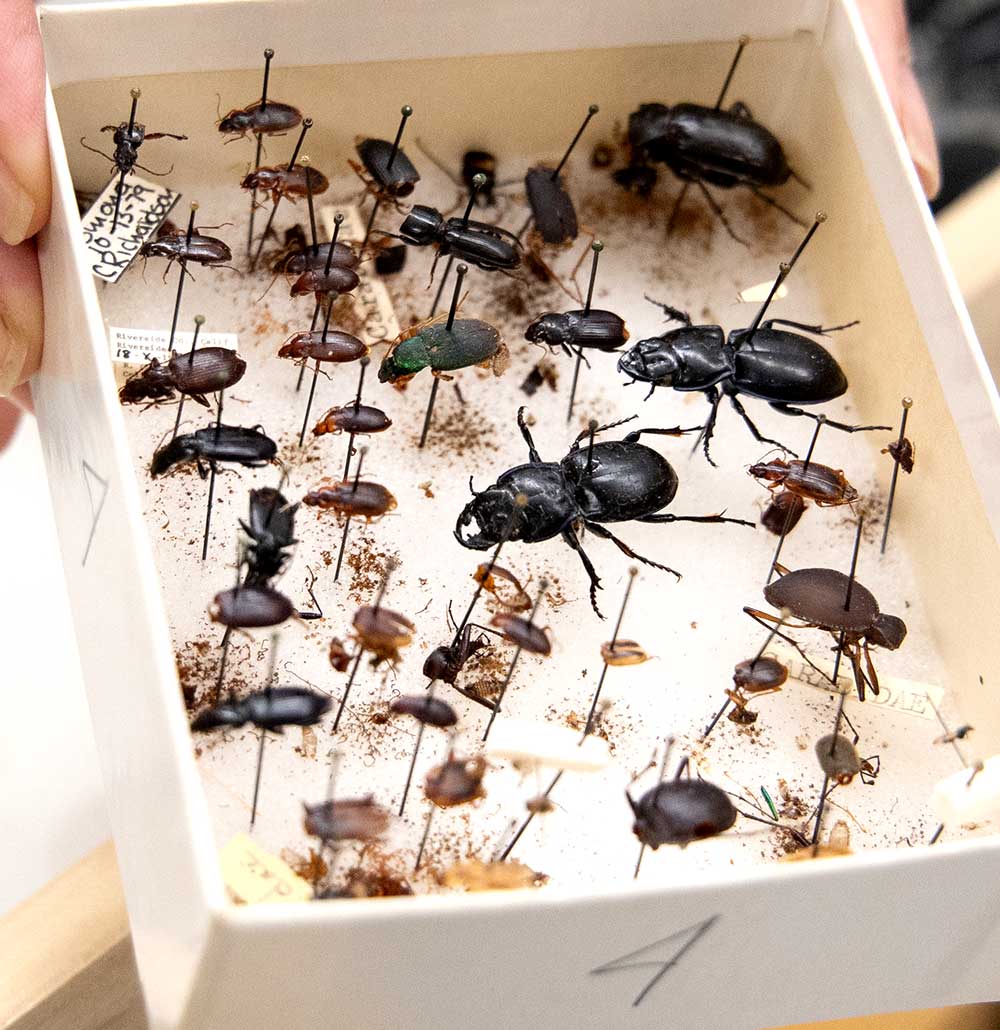
Carpet Beetle
Anthrenus verbasci
In a museum dedicated to insects, there is one group that is strictly unwelcome: carpet beetles. While an insect’s exoskeleton is remarkably durable — specimens found in Egyptian tombs remain identifiable after 2,000 years — they are not indestructible. Carpet beetle larvae feed on protein-rich organic matter, and if they find their way into an insect collection, they can reduce centuries of scientific discovery to piles of powder. Fortunately, the insect specimens gobbled up by this recent carpet beetle invasion were replaceable trays used for educational outreach and not research purposes. Yanega said protecting four million specimens requires a strategy of “constant vigilance.” Because California’s strict workplace safety laws prohibit the use of many traditional chemical fumigants and pest strips, UCR’s collection relies on physical defenses. Each specimen is stored in drawers with tight-fitting lids, which are then sealed inside heavy-duty cabinets equipped with airtight gaskets.
Help support vital insect research and the preservation of the collection’s millions of specimens.
Give to the Entomology Research Museum